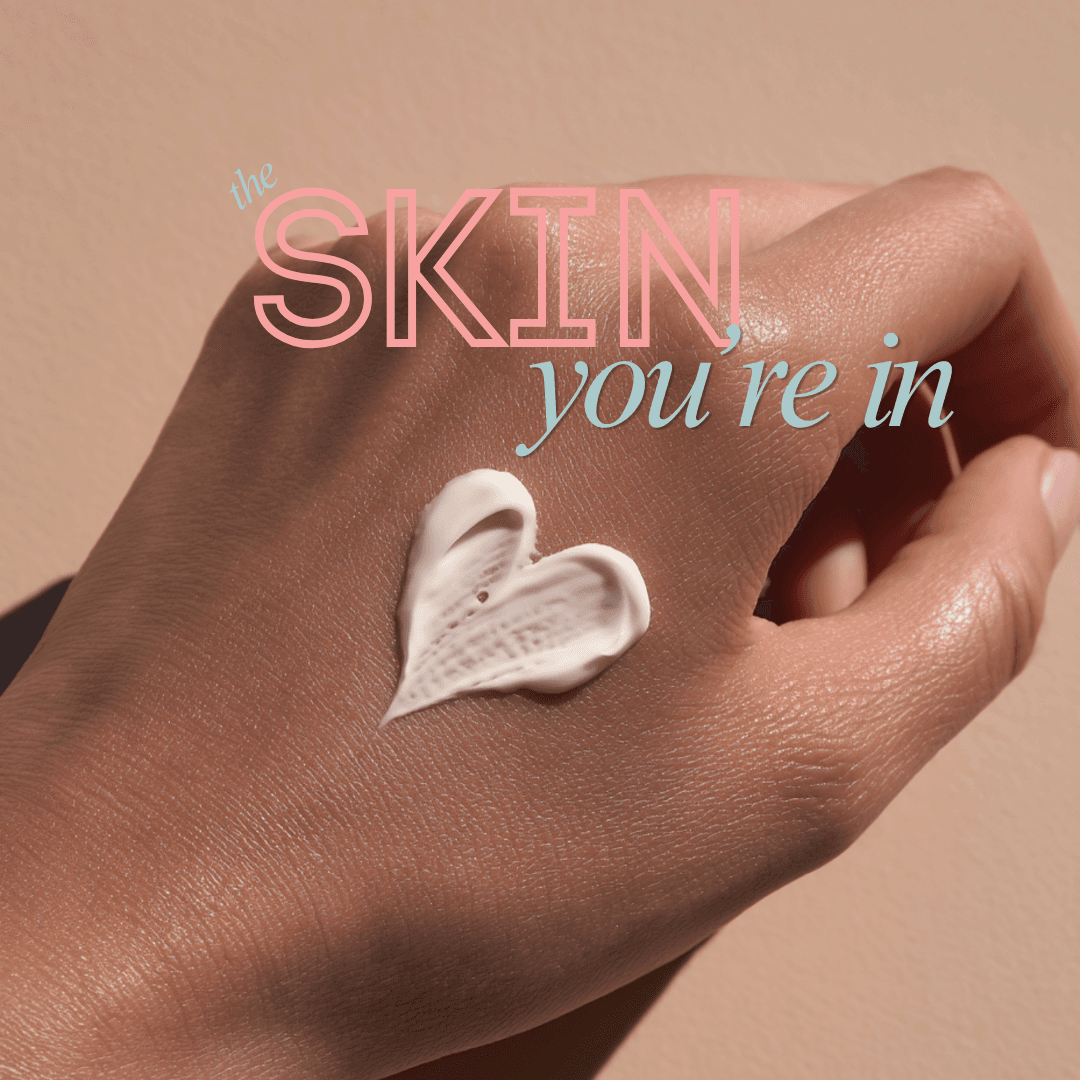
"I just don’t look or feel like myself."
If you've looked in the mirror recently and thought this, you're not alone. For some, it feels like the skin has changed overnight!
During perimenopause, changing hormone levels don't just affect your menstrual cycle, they also affect your skin--your skin has TONS of estrogen receptors. As estrogen goes up and down in perimenopause, your skin can start to behave a little differently.
I spoke with Dr. Corinne Erickson, The Menopause Dermatologist recently for The Perimenopause Summit (coming up Sept 21-24, 2026) to unpack why midlife skin behaves so unpredictably and how to build an evidence-backed routine that's simple and effective.
Many of us think of estrogen primarily as a reproductive hormone (which it is!). The skin, however, is one of your body’s most estrogen-responsive organs, packed with hormone receptors!
During your reproductive years, steady(ish) estrogen cycles maintain your skin’s structure, barrier, and hydration. As perimenopause begins, estrogen doesn't just decline, but fluctuates quite naturally as it has an overall decrease during this transition.
When estrogen levels drop over time, several key structural changes occur simultaneously:
Loss of collagen & thinning. Estrogen supports collagen (which provides firmness) and elastin (which provides stretch and recoil). Declining estrogen leads to thinning skin, fine lines, sagging and reduced firmness.
Loss of moisture & dryness. Estrogen helps support hyaluronic acid (a water-binding molecule that holds up to 1,000 times its weight in water) and hydration in the skin. Without it, the skin loses its ability to retain moisture.
Lipid barrier compromise. The skin's protective barrier comprised of fats and other substances weakens, increasing transepidermal water loss and causing dehydration, sensitivity, redness, and irritation.
Shifts in microbiome and immune defenses. Estrogen helps maintain optimal skin pH. As pH shifts, beneficial skin microbes drop, allowing inflammatory bacteria like Staph aureus to overgrow.
Product intolerance. As a result of the above factors, you may become sensitive to products you've used for years.
Hyperpigmentation. Hormonal fluctuations in pregnancy, postpartum, due to certain medical conditions, and perimenopause may lead to uneven skin tone and areas of hyperpigmentation. Some of this may be previous sun damage showing up now.
One of the most frustrating aspects of perimenopause is experiencing adult acne and dryness at the same time.
As estrogen levels fluctuate and decrease, relative testosterone levels don't really change (although they can!). As a result, we can have a relative higher testosterone level versus estrogen, especially at certain times of the transition when estrogen dips low. This shift stimulates can stimulate oil production, pore clogging, and, combined wtih the above changes, lead to breakouts.
When acne happens, it can really affect self-esteem and there's a tendency to rush and do a bunch of things to make it go away. We have to be mindful that we're using products that our skin can tolerate, which may be different than what teenage acne and skin can tolerate. Going slow and steady after making note of what's happening in your skin (and working with a professional!) is likely the way to go.
There's A LOT of skincare and wellness noise out there as well as high-priced "menopause skincare" which you're paying a premium for due to the marketing of "menopause". Dr. Erickson recommends cutting through the hype with a simple, two-step daily philosophy: Protect what you have in the morning, and replace what you’ve lost at night.
PROTECT WHAT YOU HAVE IN THE MORNING
REPLACE WHAT YOU'VE LOST AT NIGHT
Daily sun protection is non-negotiable because UV exposure remains the primary driver of extrinsic skin ageing and pigment dysregulation.
Mineral Sunscreens (Zinc Oxide, Titanium Dioxide): Sit on top of the skin to reflect UV rays immediately upon application. Recognized as safe and effective (GRASE) by regulatory bodies, they are ideal for sensitive, reactive, or redness-prone skin.
Chemical Sunscreens: Absorb into the skin to convert UV rays into heat. They apply sheerly without leaving a white cast, making them a popular choice for darker skin tones or under makeup.
Bonus Tip: Choose a tinted sunscreen as they contain iron oxides, which shield the skin from visible blue light emitted by phones, laptops, and indoor lighting. ** The BEST SPF choice is the one you will use regularly and consistently use (including REAPPLYING IT at regular intervals!).**
According to Dr. Erickson, if there's one of the previous steps she'd pick for most people, it's SPF!
When skin fluctuates from week to week, it is easy to panic-buy new products late at night while you're doomscrolling (often from influencers who stand to make a buck off you). However, layering five new active ingredients at once adds irritation rather than results, so we want to keep it simple:
Pause before reacting, and take a week to let your barrier calm down, take out all your actives, and see what happens.
Prioritize consistency over complexity using the principles laid out above--you likely don't need a 13-step routine.
Seek guidance from a professional like a dermatologist (which is pretty hard here in Canada) or a medical aesthetician so they can help you with your specific needs.
Skin changes. Bodies change. It's supposed to!
We get a lot of messaging from to look a particular way from patriarchal, misogynist, and reductive Eurocentric "beauty standards" out in the world, especially as we age.
The goal of perimenopausal skincare for most women I sit across from isn't to look like a filtered social media image or look like they're 20. It's to restore the skin’s baseline health so you look and feel like yourself again, and you're putting in place steps to continue to take care of it just like the rest of your health and body.
Thanks to Dr. Corinne Erickson, for inspiring the contents of this blog post through her session for The Perimenopause Summit, happening virtually on Sept 21 to 24, 2026--it's free, get on the wait list now!
Note: This blog post is for informational and educational purposes only and does not constitute medical advice. Always consult a qualified healthcare professional for your health.
References: *American Academy of Dermatology Association Melanoma Canada, Sunscreen: What You Need to Know. Boghosian et al. Clinical Applications of Vitamin C in Dermatology: A Systematic Review. Journal of Investigative Dermatology. 2026.